



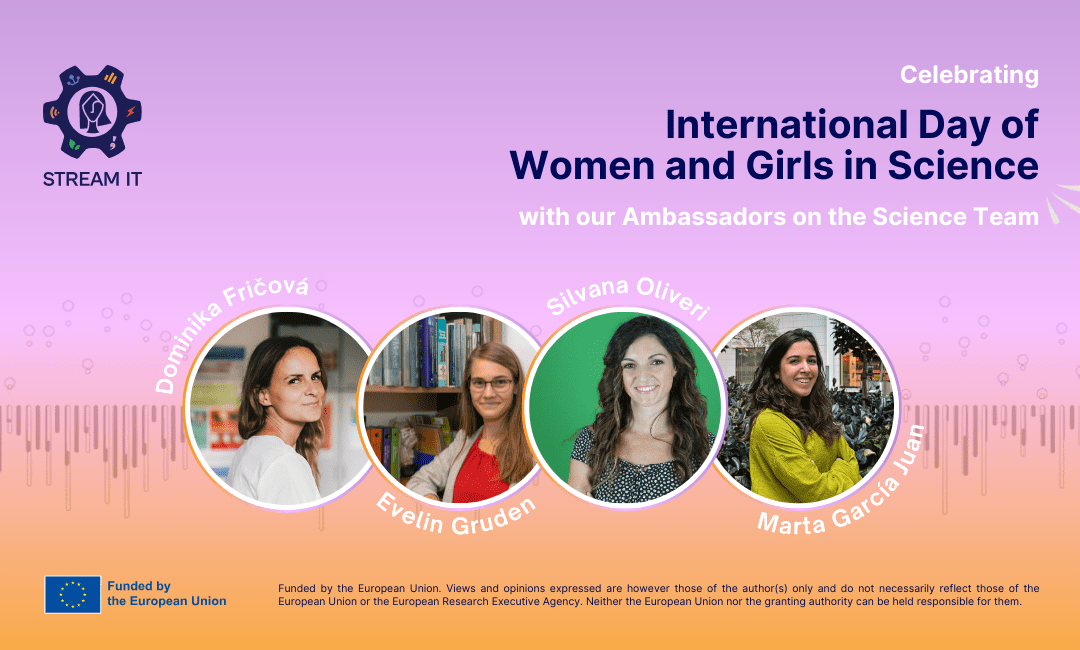
To celebrate the International Day of Women and Girls in Science (February 11), we are pulling back the curtain on the “unwritten rules” of a successful career in STEM.
What does it actually take to be a “good” scientist? If you look at a textbook, the answer seems technical: precision, data, and logic. But if you talk to the women at the forefront of European research, the answer is much more human. It’s about the grit to survive a “huge collection of unsuccessful experiments,” the creativity to find inspiration in the arts, and the courage to demand diversity in a field that has historically lacked it.
As part of the STREAM IT initiative to empower women in STEM, we sat down with four remarkable experts to discuss the realities of science – the parts they don’t teach you in school.
Meet our Science Team
Our panel brings together voices from the STREAM IT project Ambassadors across the scientific spectrum:
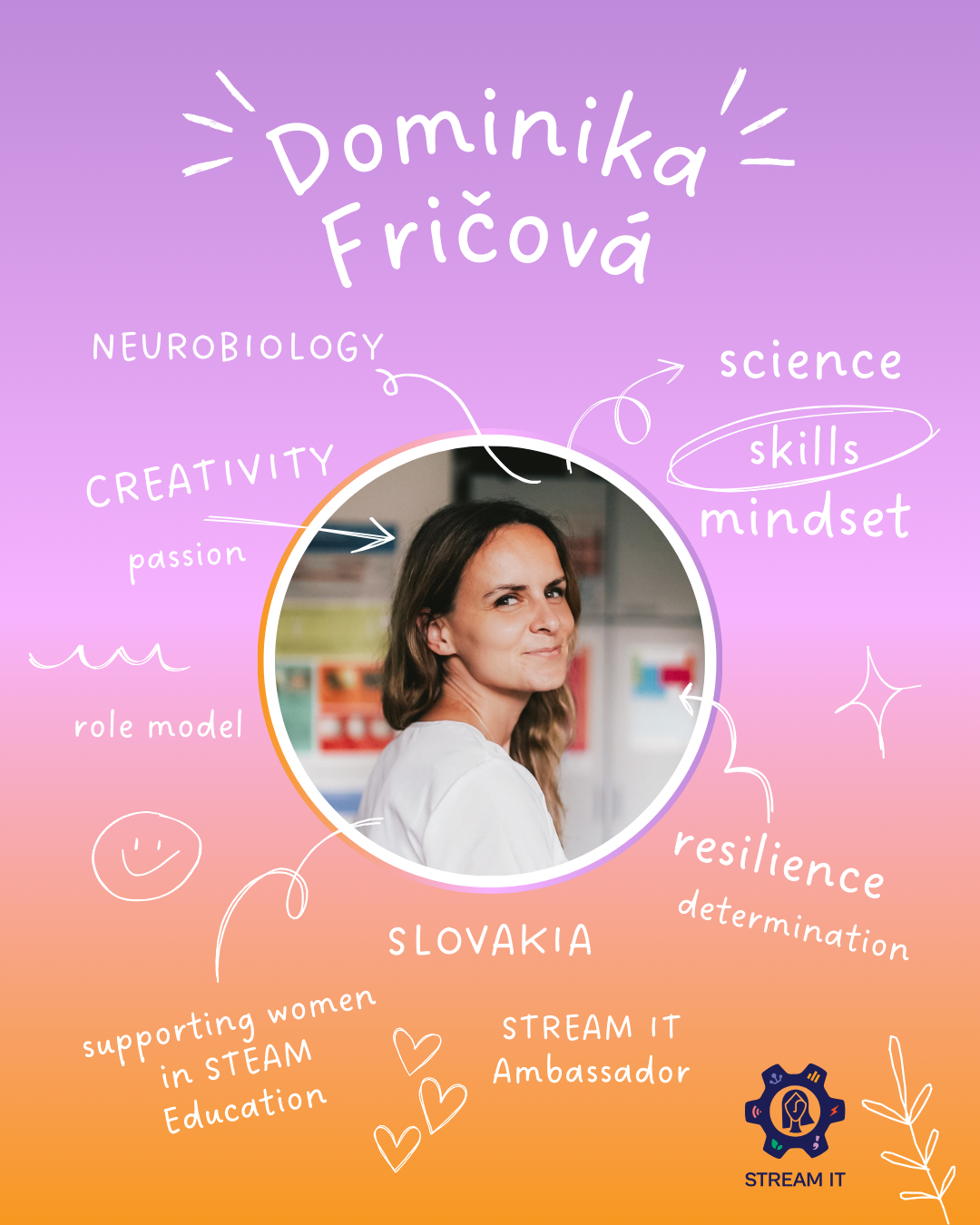
- Dominika Fricova, PhD (Slovakia): A Principal Investigator and Neuroscientist specialising in Parkinson’s disease.
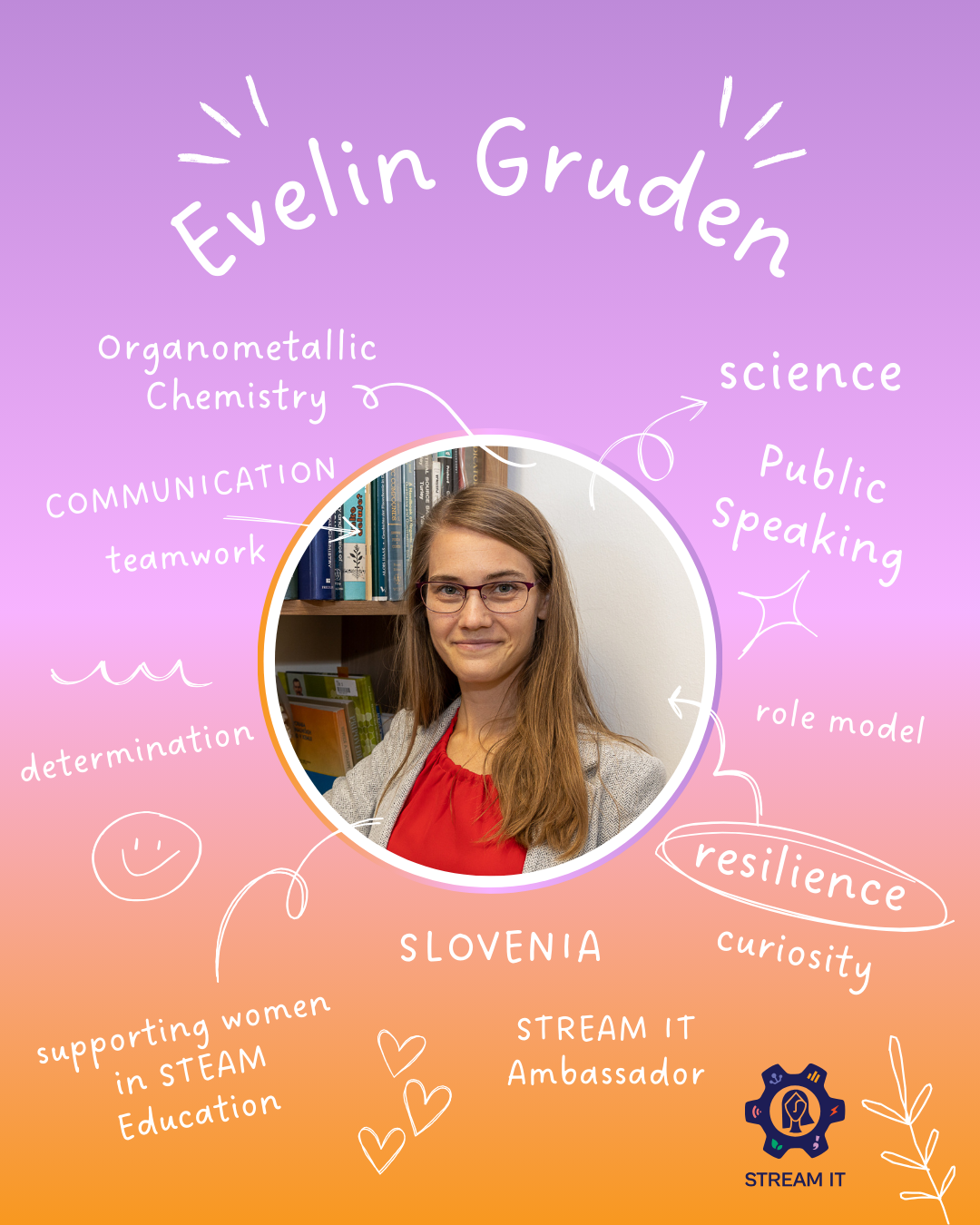
- Evelin Gruden, PhD (Slovenia): A researcher at the Jožef Stefan Institute, focusing on Organometallic Chemistry.
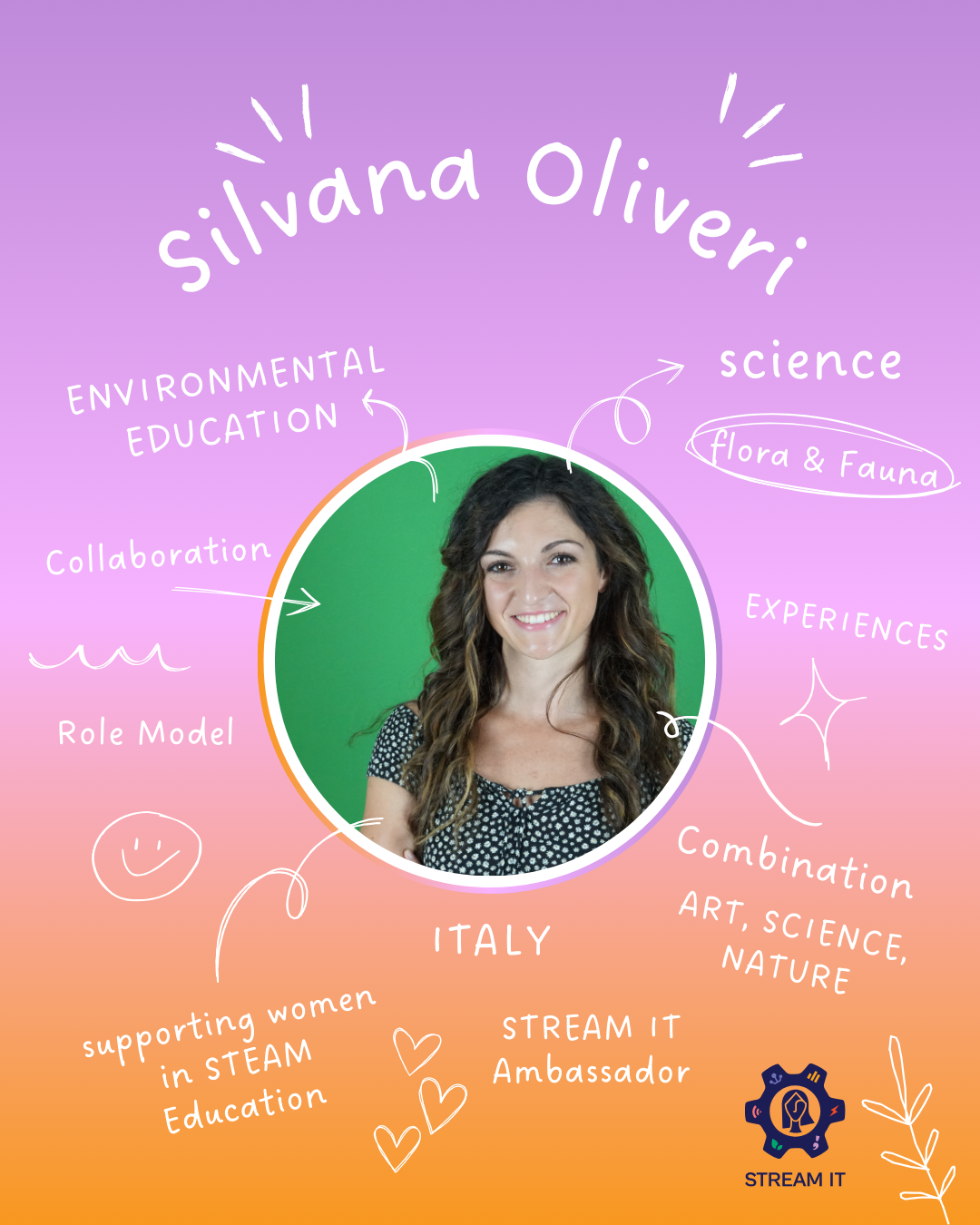
- Silvana Oliveri (Italy): An EU Project Manager and Environmental Educator who founded NarraBosco.
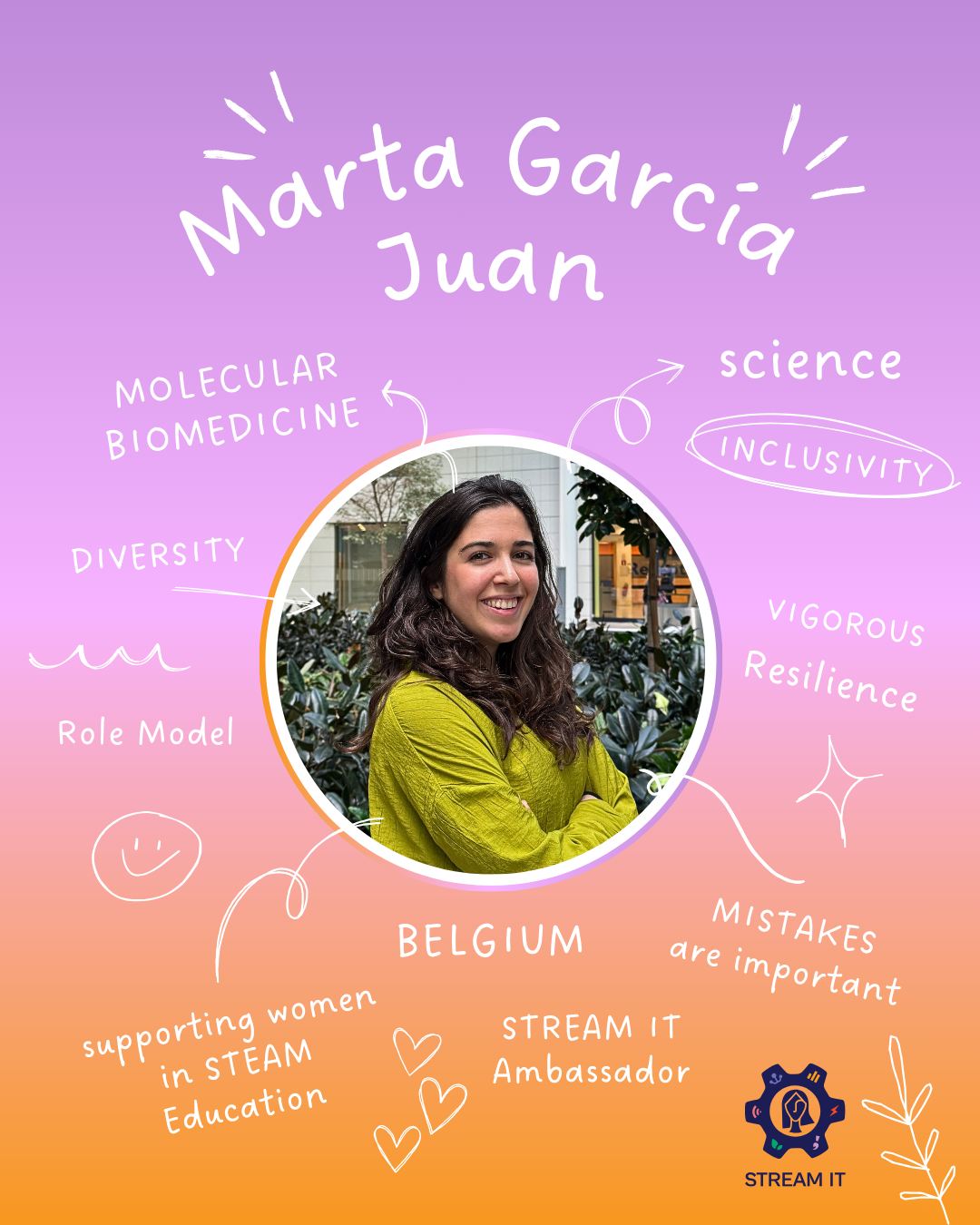
- Marta Garcia Juan, PhD (Belgium): A Scientific Officer and Neuropathologist dedicated to Alzheimer’s research and policy.
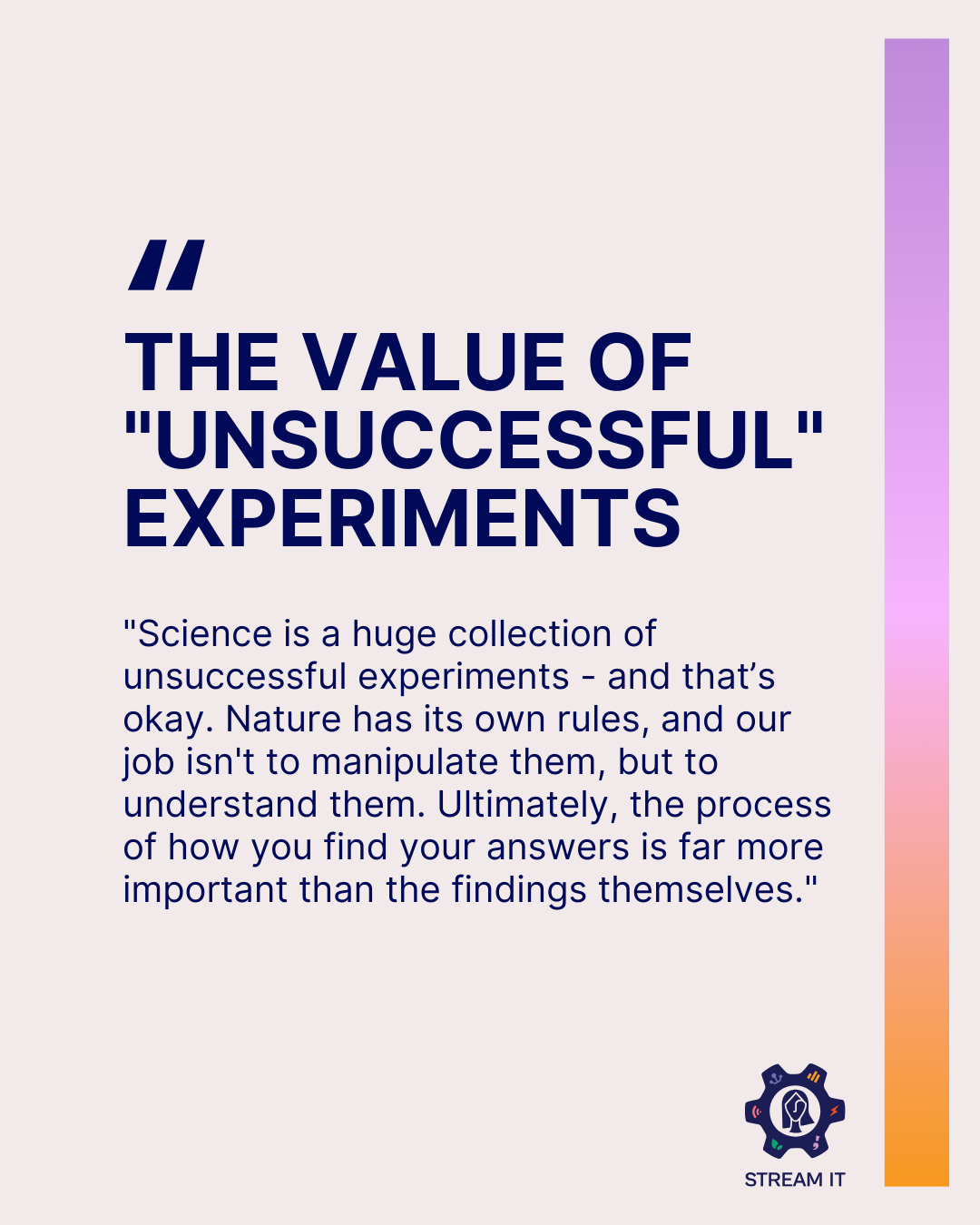
Embracing the "Unsuccessful Experiment"
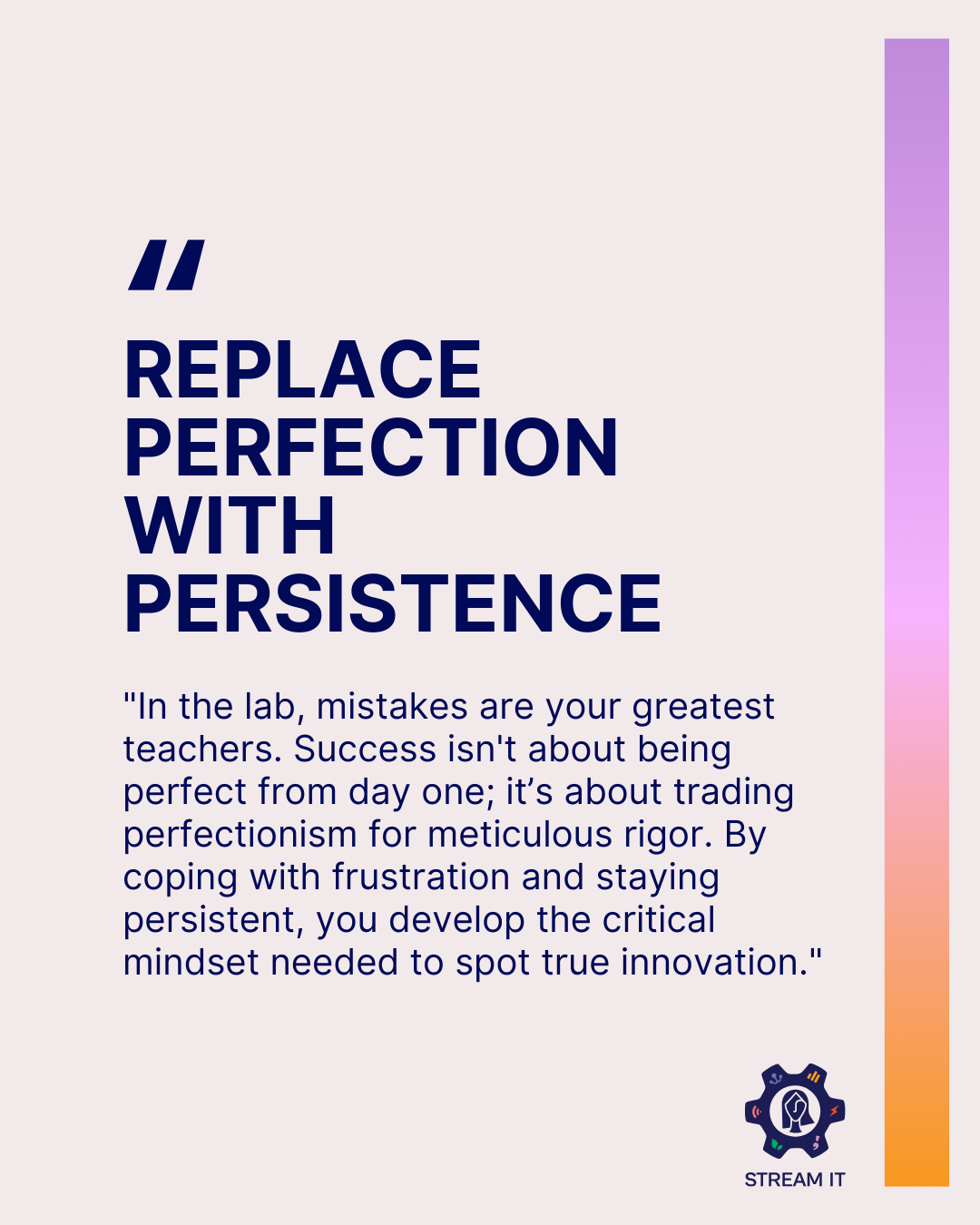
One of the most refreshing takeaways from our conversation was the reframing of failure. In the lab, “failure” isn’t an ending – it’s the daily grind.
“Science is often just a huge collection of unsuccessful experiments. You have to build the resilience to keep going when things don’t go as planned.” – Dominika Fricova, PhD
Building the resilience to keep going after a setback is what separates a student from a scientist. Whether it’s Evelin discussing how she overcame the “terror” of public speaking or Dominika managing the high stakes of neuroscientific research, the message was clear: you don’t succeed despite failure; you succeed because of how you handle it.
Soft Skills are the Hardest to Master
While technical expertise gets you into the room, it’s the “soft skills” that keep projects moving. The ability to communicate complex ideas and the empathy required for effective mentorship are the true “hard skills” of modern science.
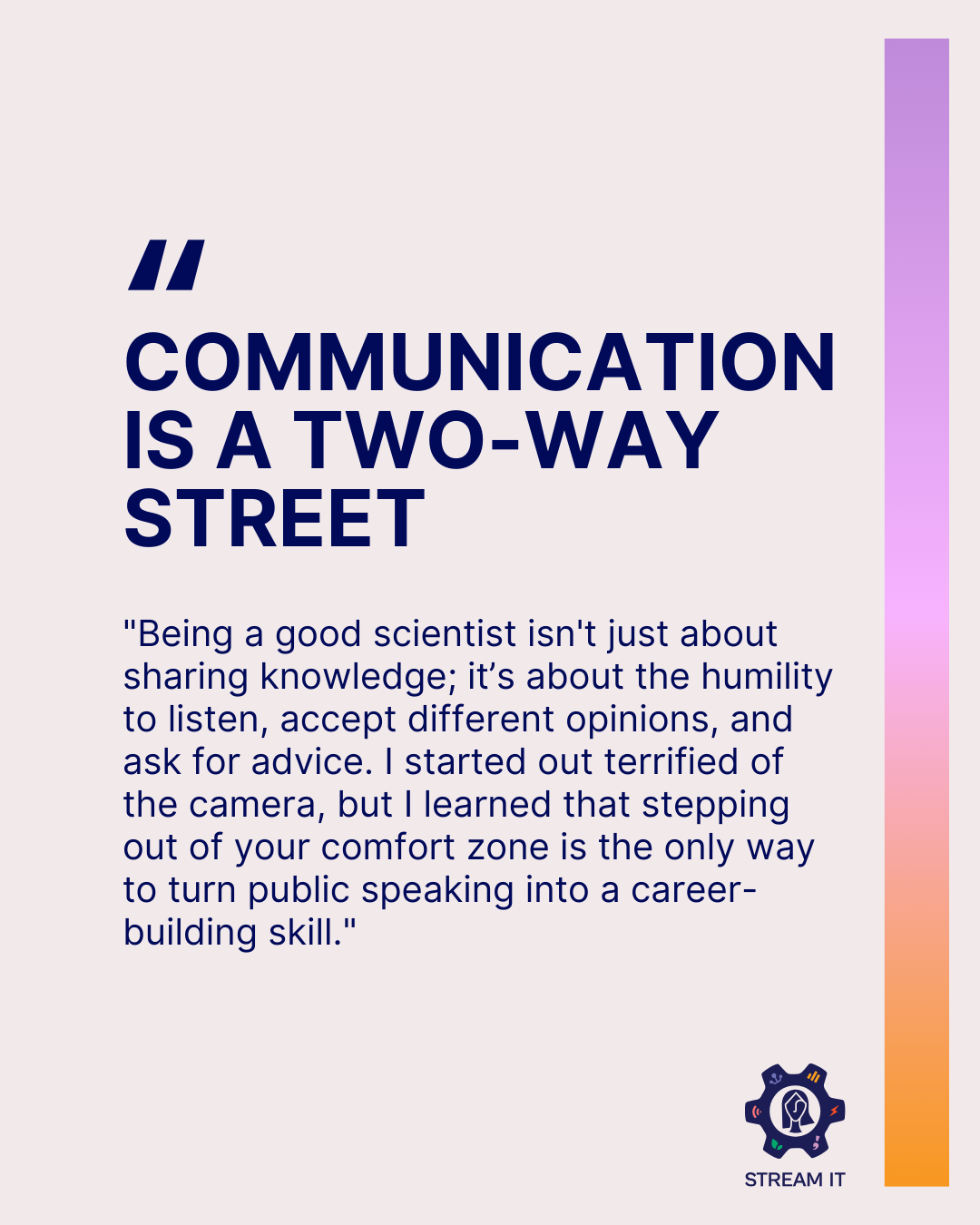
“Overcoming the ‘terror’ of public speaking and learning to work in a team are just as important as the work we do at the bench.” – Evelin Gruden, PhD
The "Contaminated" Approach: Why Creativity Matters
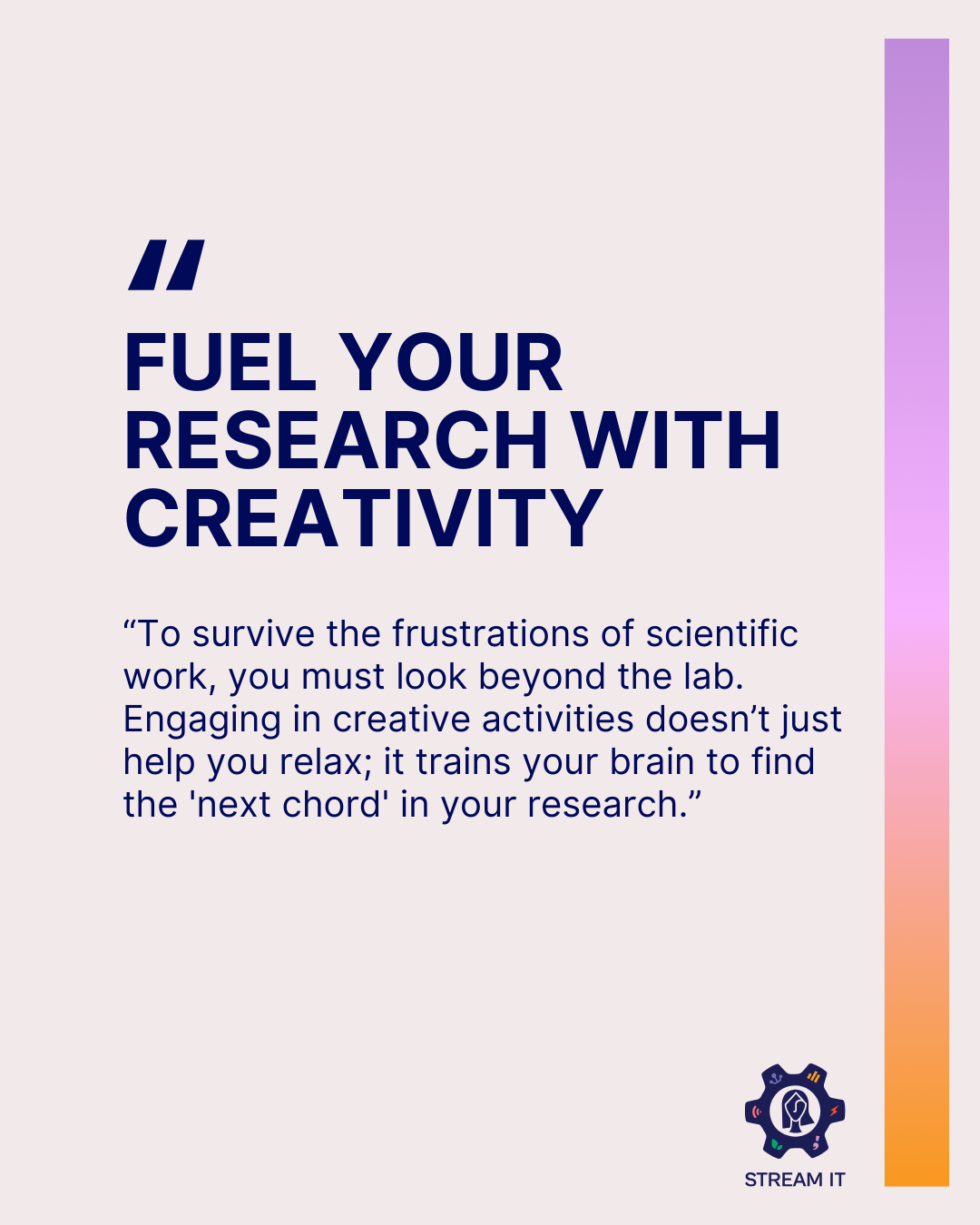
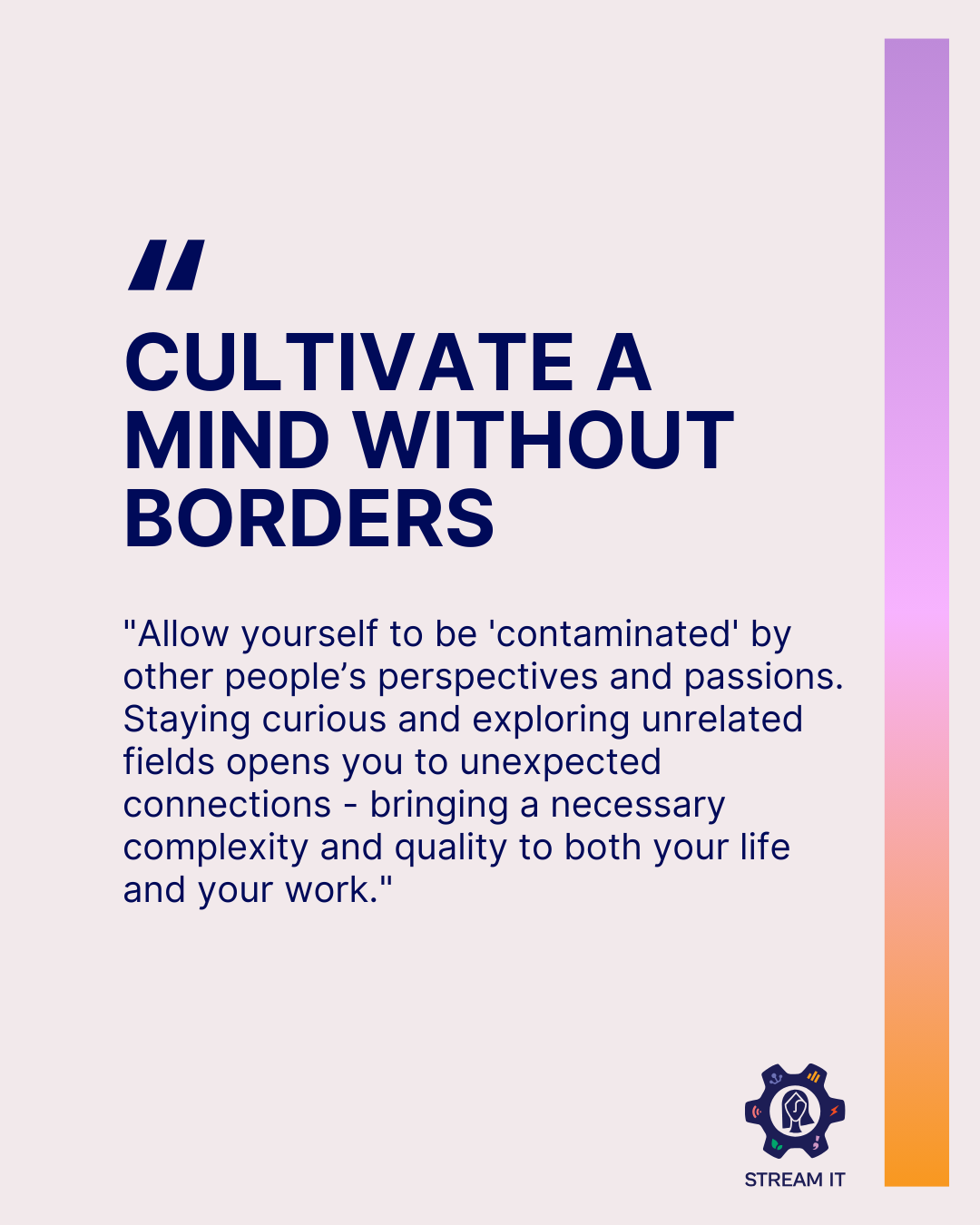
There is a persistent myth that science and art live in separate worlds. Our guests are here to break that, advocating for what they call a “contaminated” approach – allowing life, art, and personal passions to leak into the lab.
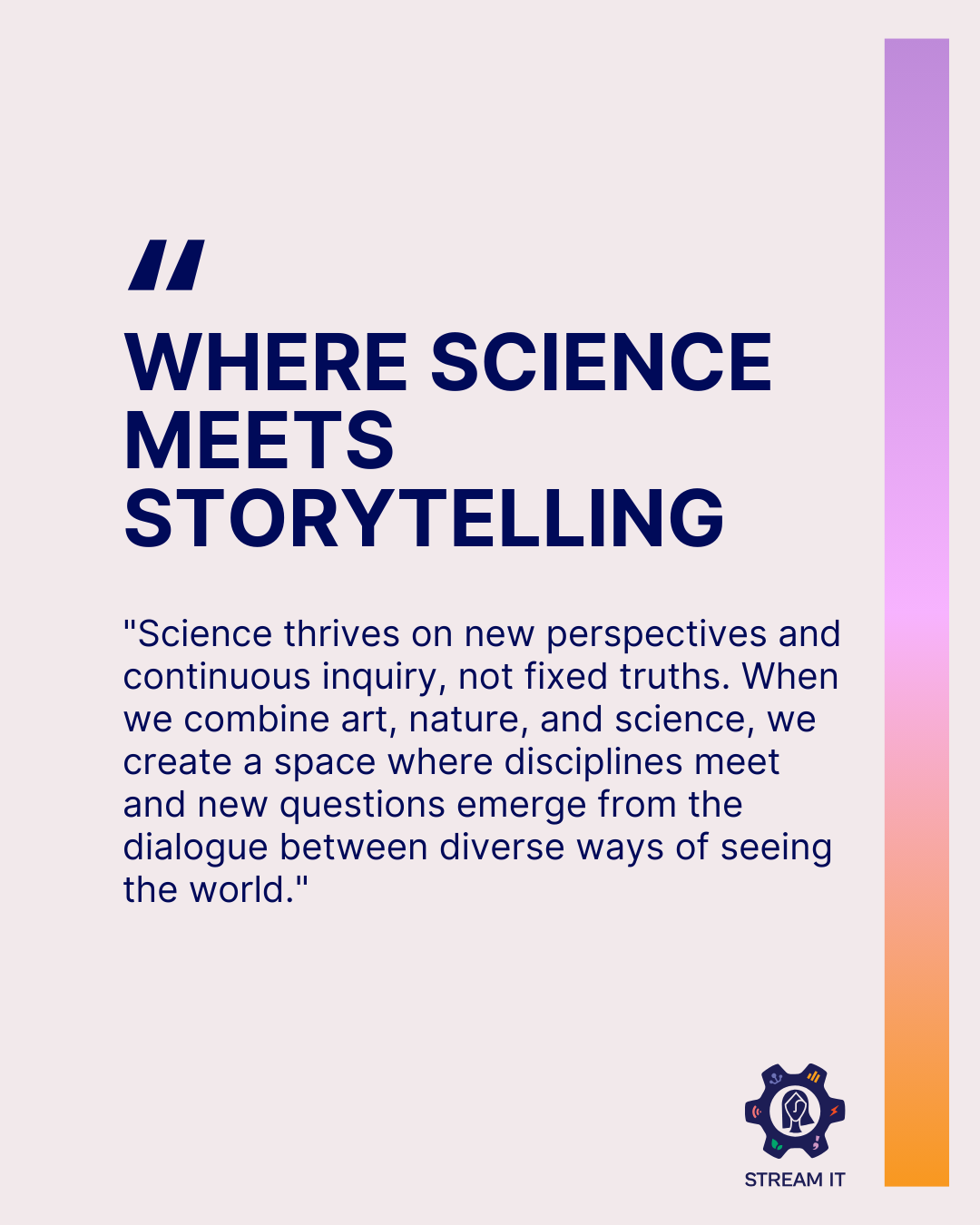
“We need a ‘contaminated’ approach – where music, art, and life fuel our scientific breakthroughs. Creativity is what allows us to see the solutions others miss.” – Silvana Oliveri
Why Diversity is a Scientific Necessity
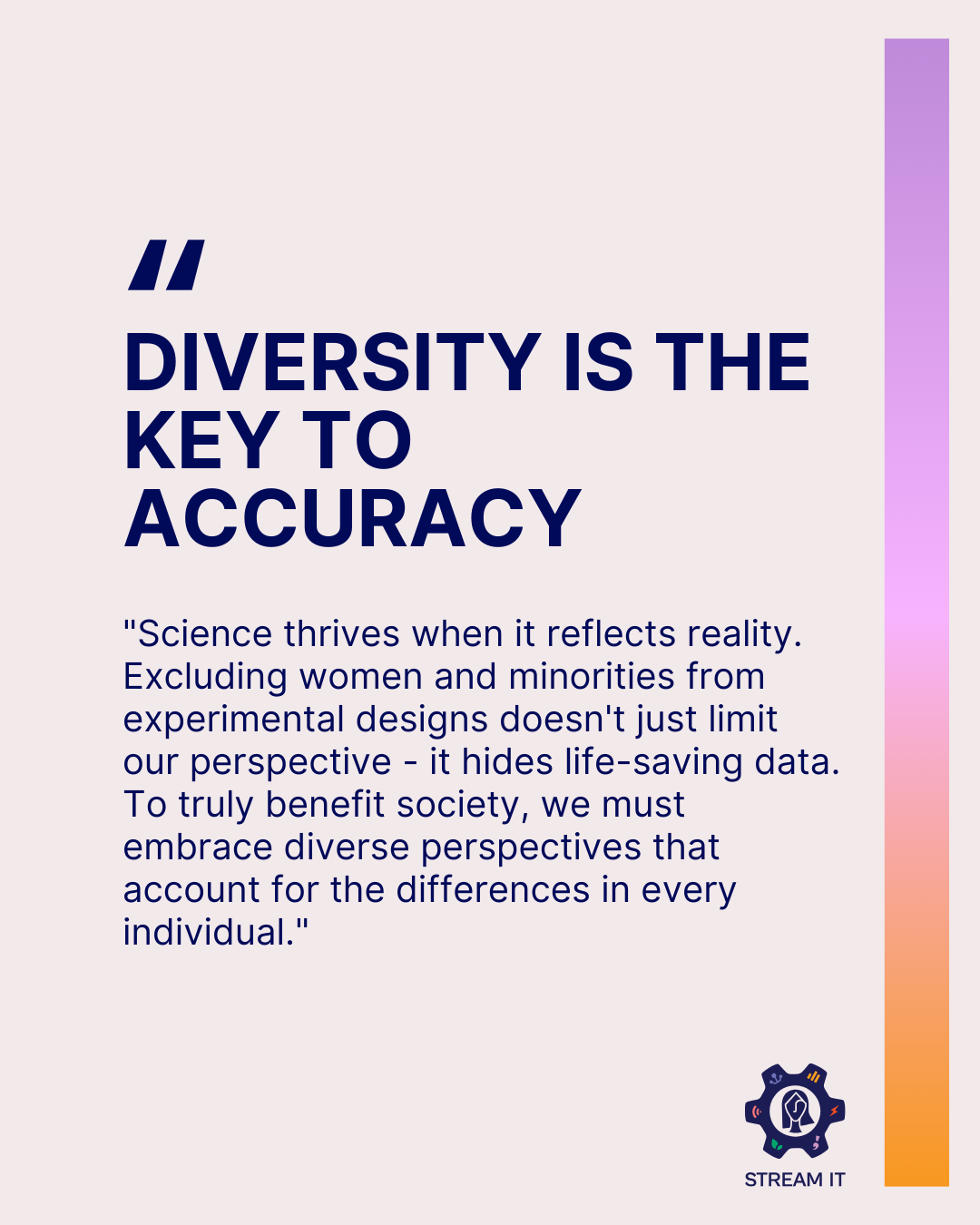
Finally, the group tackled a critical truth: diversity is not just a social goal; it is essential for accurate science. If the people designing experiments aren’t diverse, the results won’t be inclusive.
“Gender and ethnic diversity in experimental design aren’t just social goals – they are scientific necessities for accurate and inclusive research.” – Marta Garcia Juan, PhD
A Message to the Next Generation
The path to a career in science is rarely a straight line. It’s a journey defined by curiosity, “strategic spontaneity,” and the willingness to be the only person in the room who sees things differently. At STREAM IT, we are proud to amplify these voices and support the next generation of women breaking boundaries in STEM.
Watch the full interview below to hear the personal stories of these four pioneers as they redefine what it means to be a woman in science today.
Author
F6S Innovation
Melissa Tang, Communication Manager at F6S Innovation, plays a pivotal role in various EU-funded initiative. Her expertise, built on a foundation of a BA in Design and Advertising and a Master’s in Communication and Media Studies, is further strengthened by hands-on experience leading communication, dissemination and exploitation efforts in over 15 research and business projects.